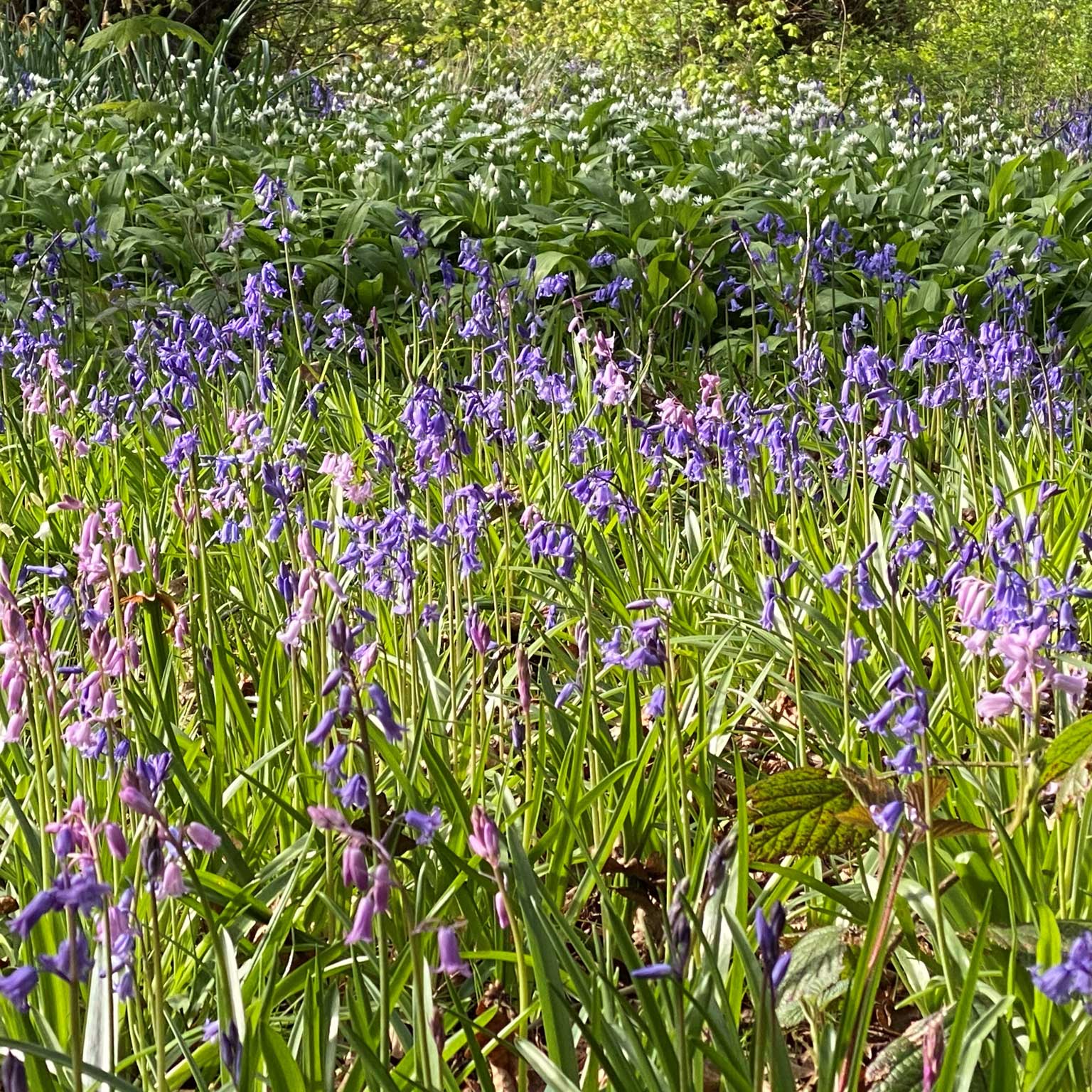
Bluebells
Hyacinthoides non-scripta
Ancient woodland indicator

A biodiverse woodland is more than just trees. In a native woodland, the understory of shrubs and wildflowers provides wildlife with essential sources of food and shelter. We have recorded 100 different species of wildflowers, grasses and ferns across the different habitats at Kingsmeadows.
Over the last century, there has been a devastating loss of 97% of the UK’s wildflower meadows, largely due to intensive farming practices, with disastrous consequences for pollinating insects that rely on wildflowers as a source of pollen and nectar and birds and other animals further up the food chain.
We are giving over two areas of lawn at Kingsmeadows to create wildflower meadows and are proud to be part of the Tweed Meadows Project.
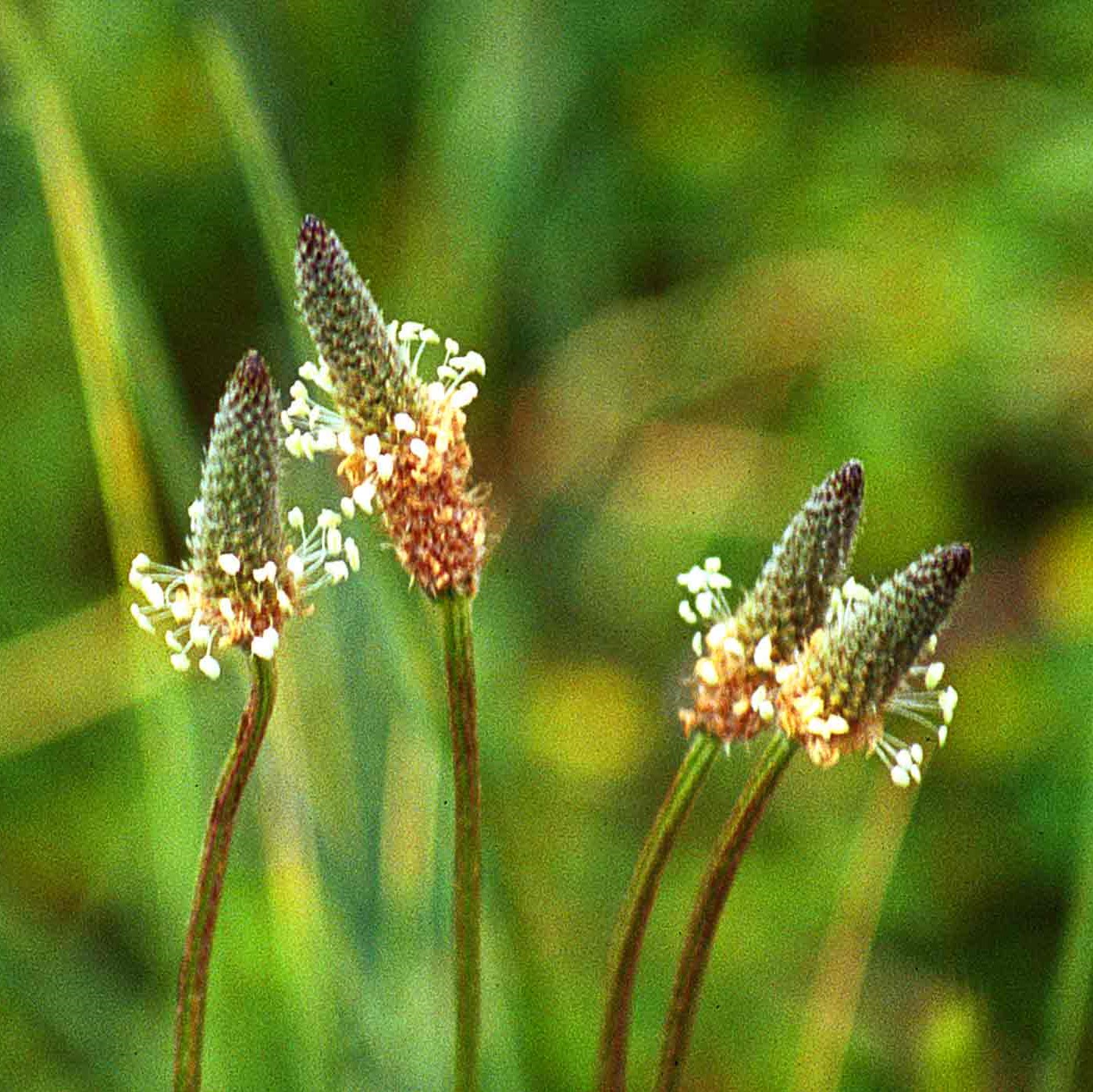
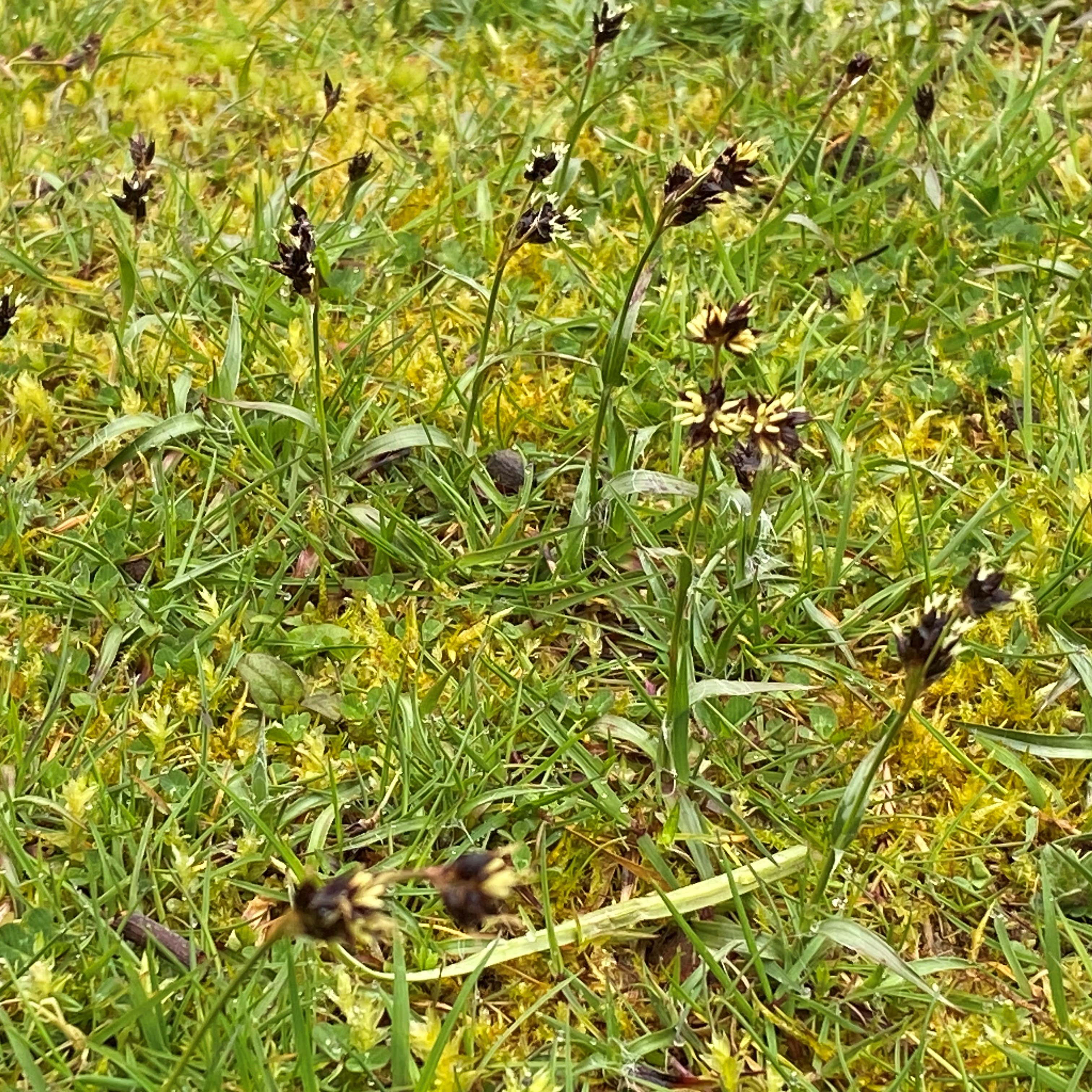
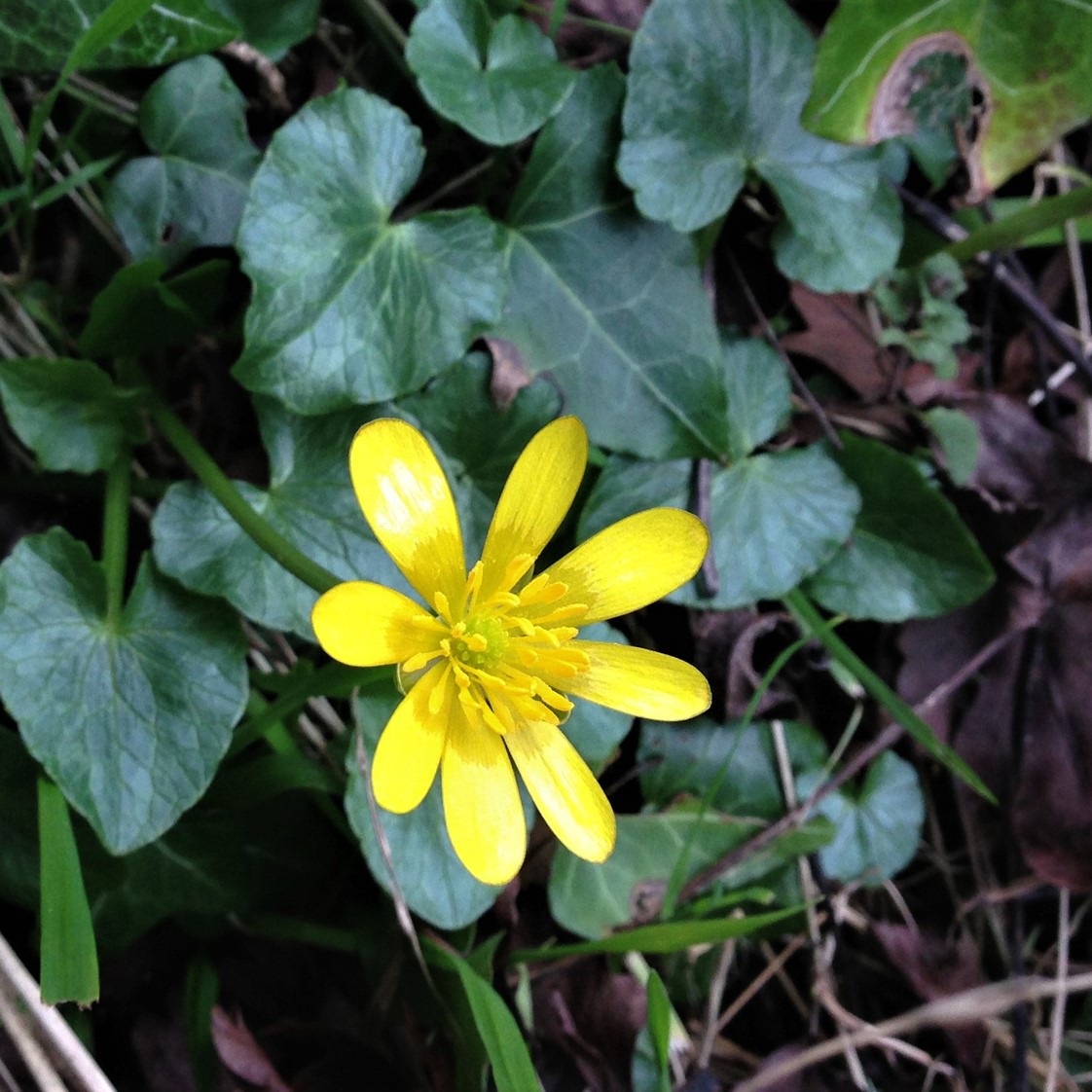
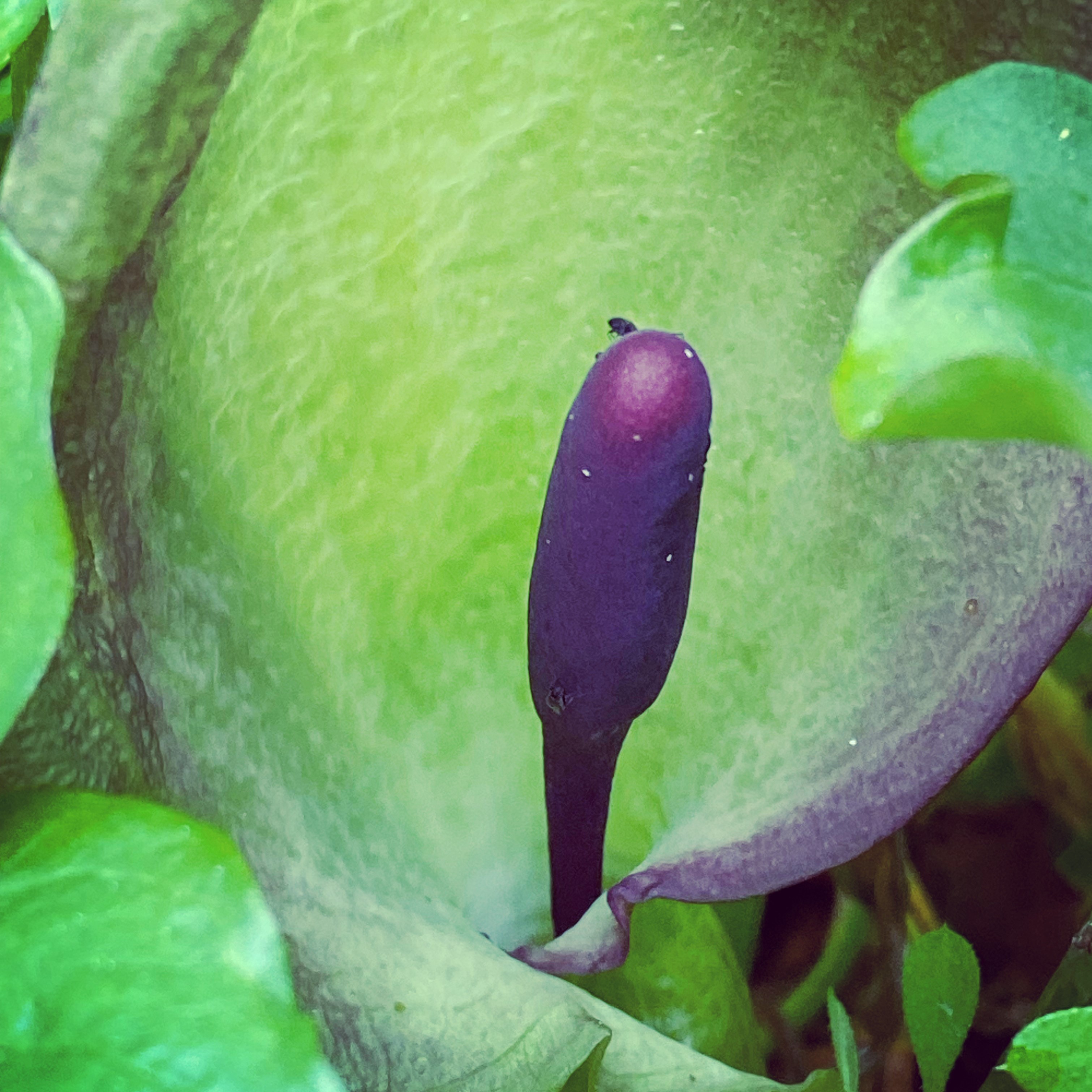
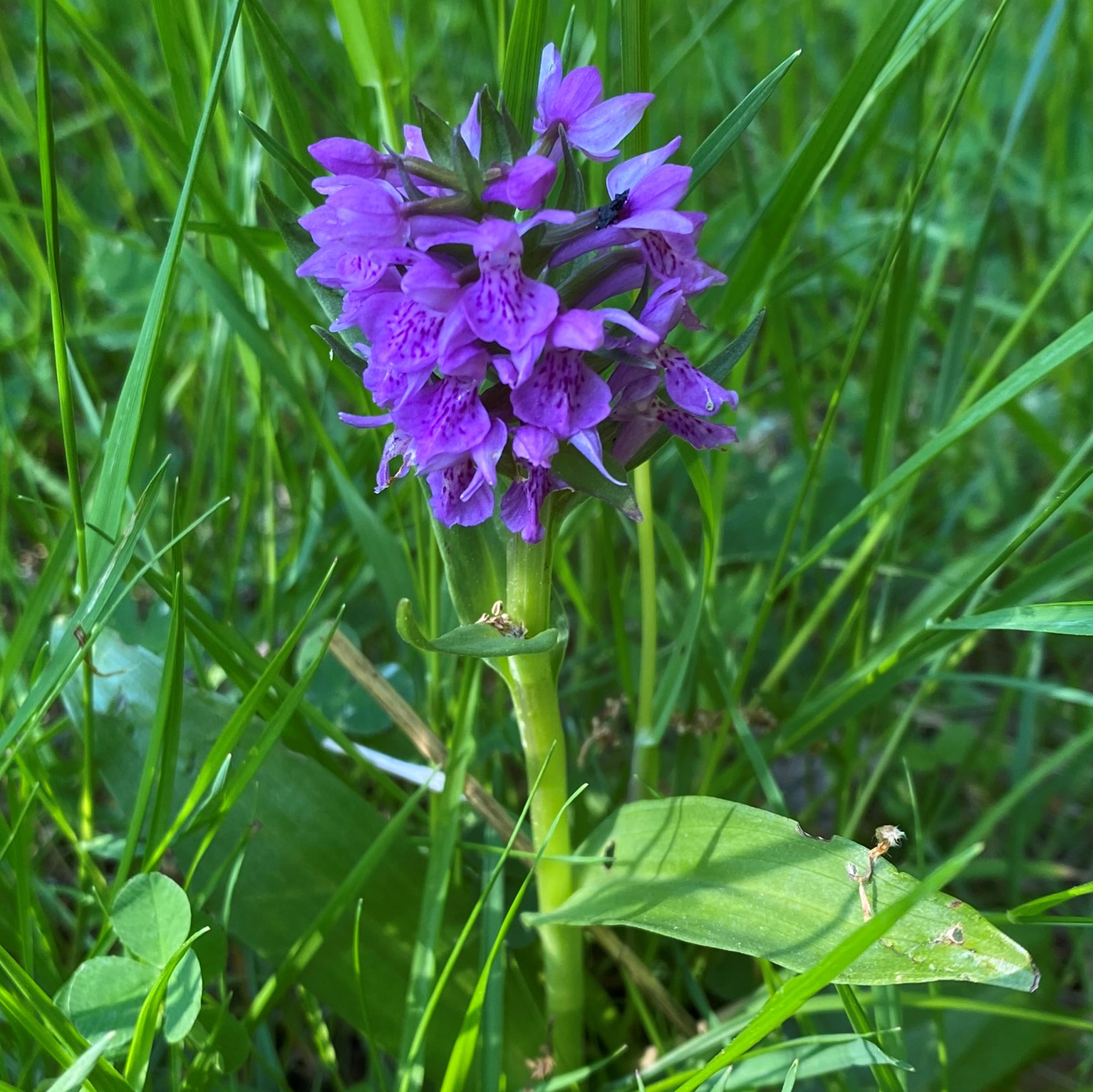
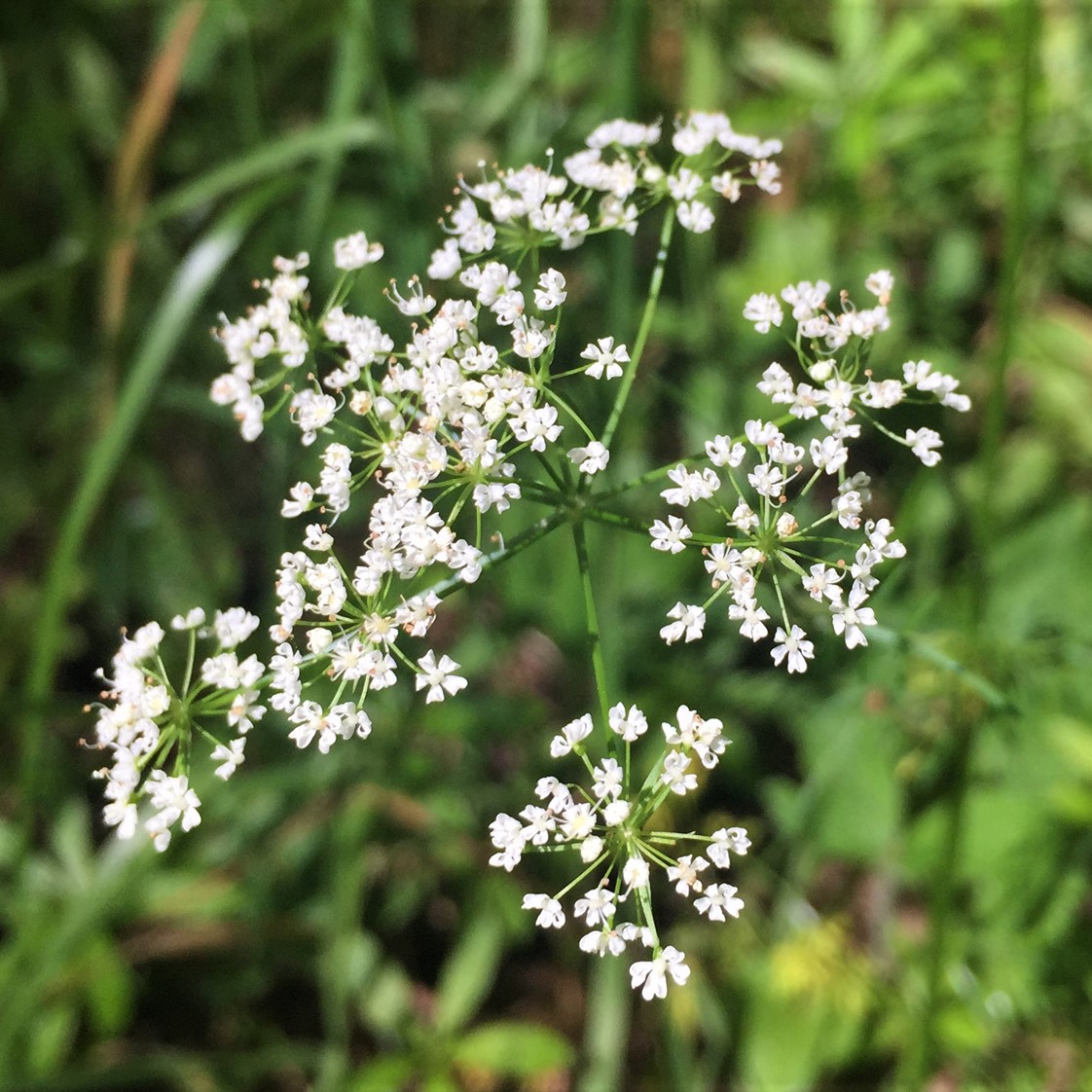
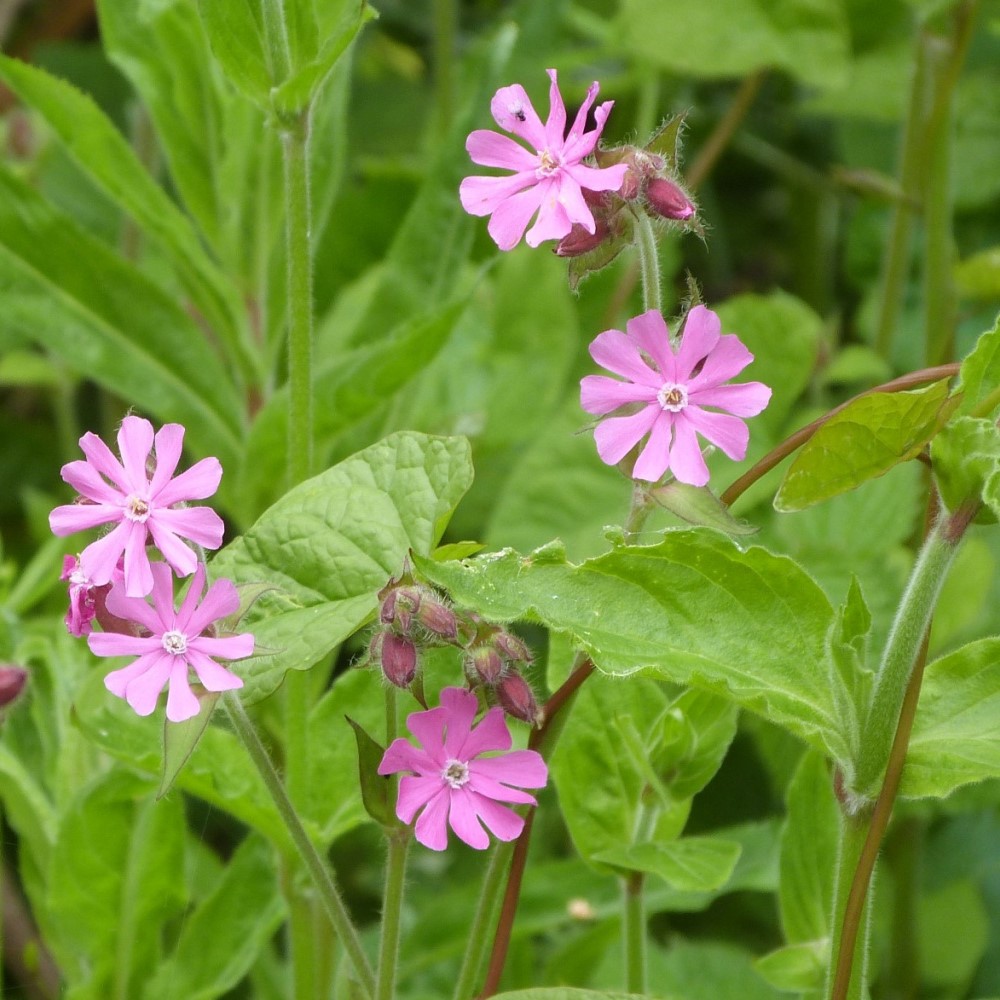
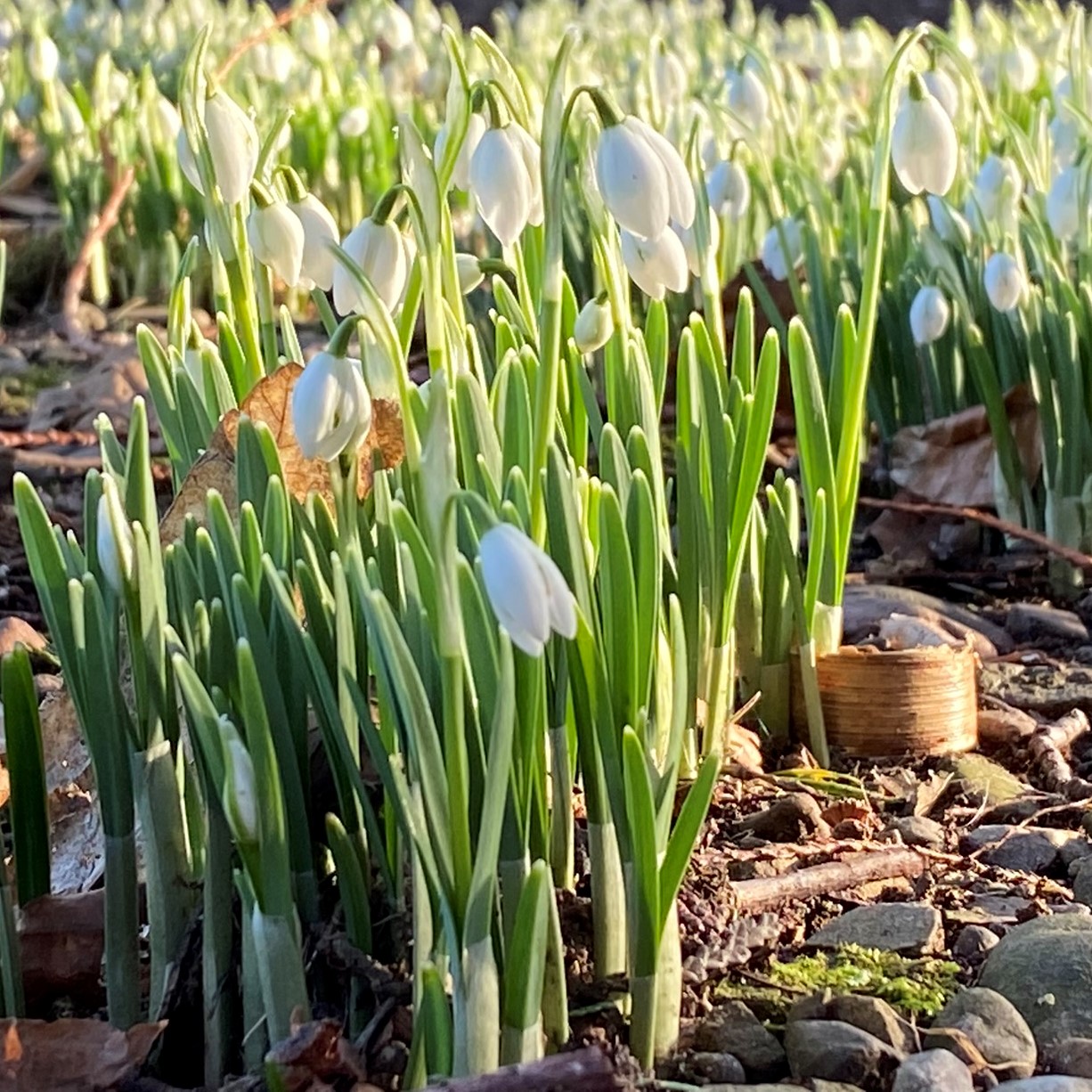
Ancient woodland indicator plants are species that indicate a site has been continuously wooded for a long time. Indicator plants vary by region, woodland and soil type. Kingsmeadows is home to several such species.
In Scotland, ancient woods are defined as 'areas of woodland that have persisted since 1750'. NatureScot "confirm that this woodland should be treated as ancient, based on its presence on the historic maps." The first (1856) OS Map shows Kingsmeadows as established woodland. The 1823 John Wood map "provides evidence that the woodland was mature well before the survey for the OS 1st edition took place".
The presence of at least 16 ancient woodland indicator plants demonstrates how biodiverse and important these 200-year-old woods are.
Ancient woodland indicator
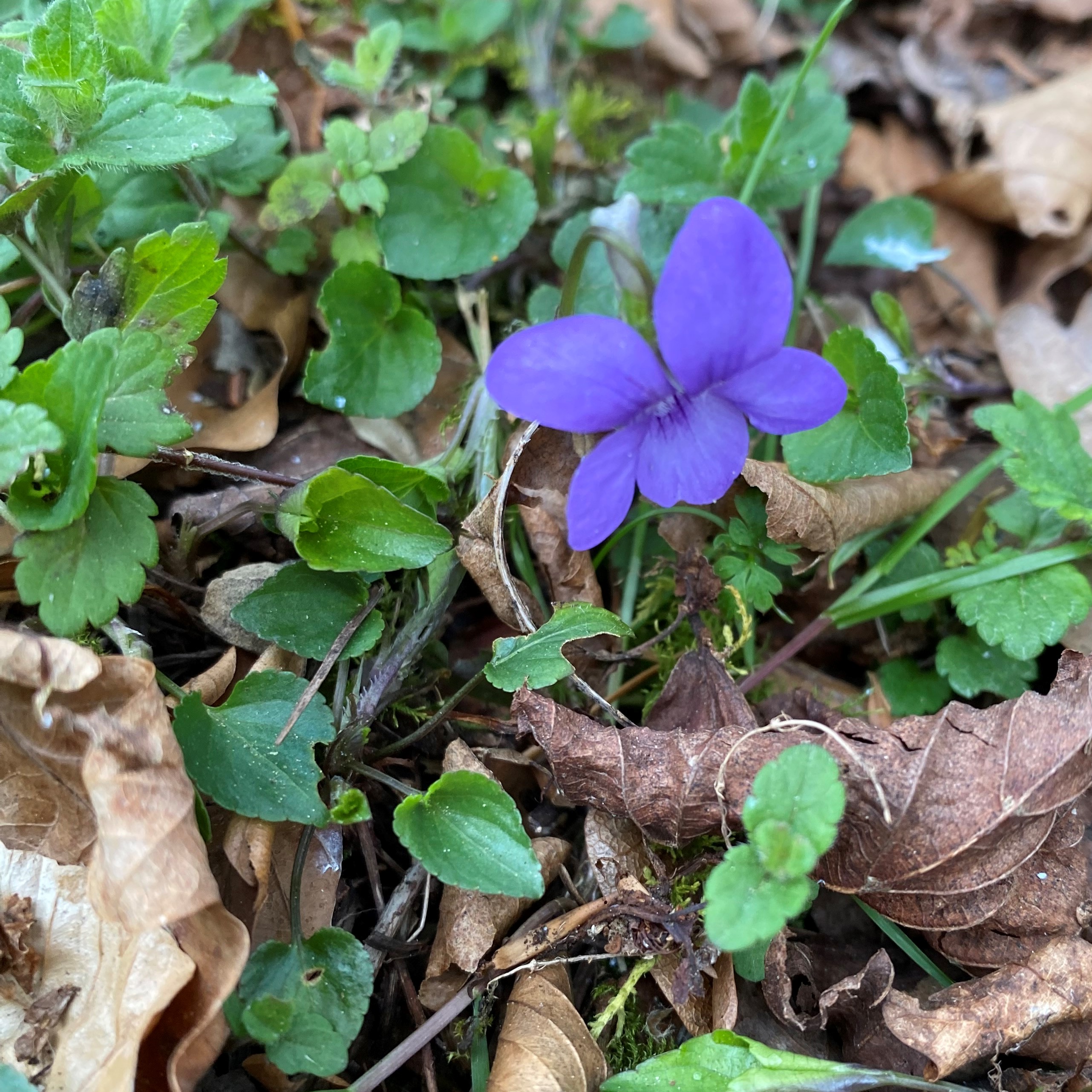
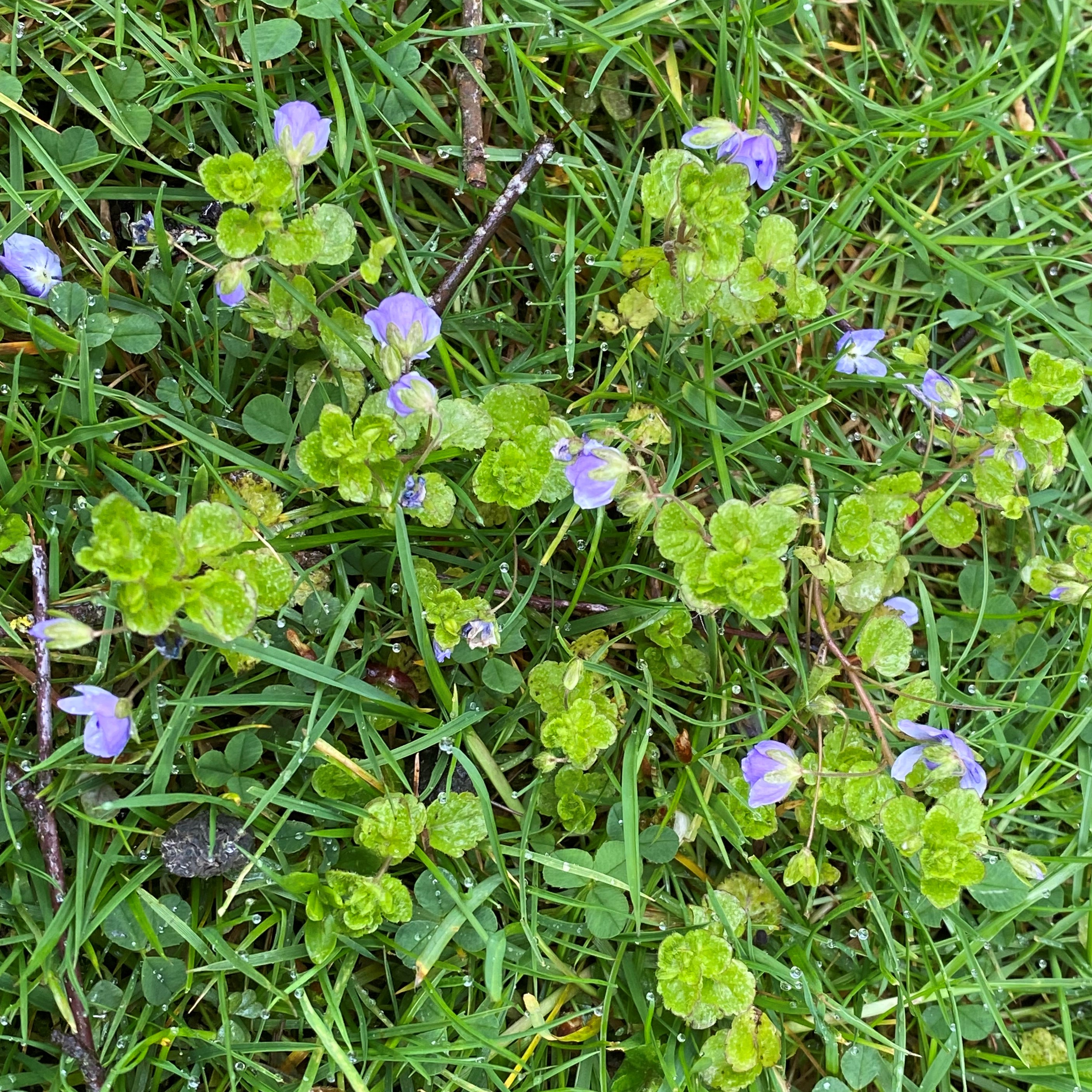
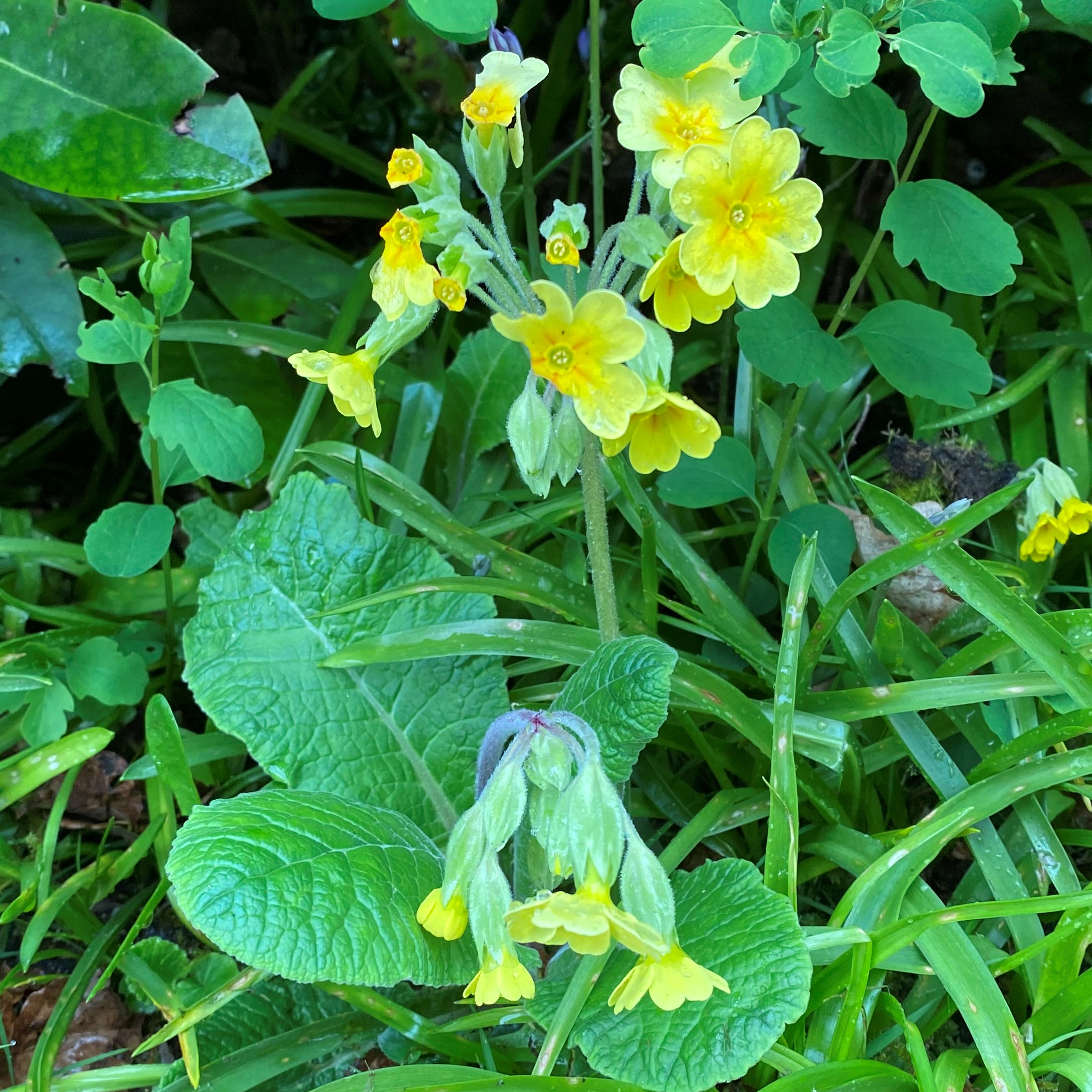

Ancient woodland indicator
Ancient woodland indicator
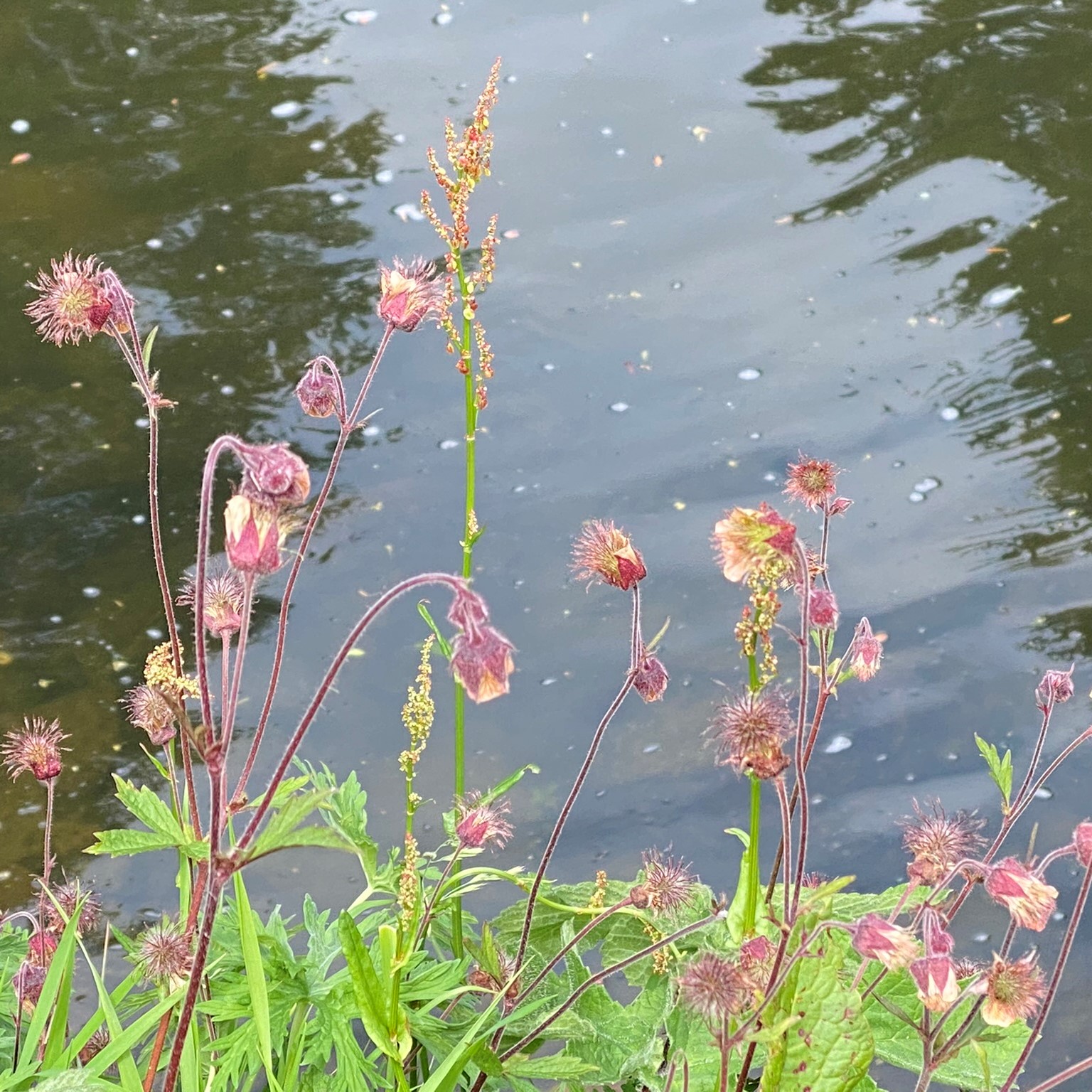
Ancient woodland indicator
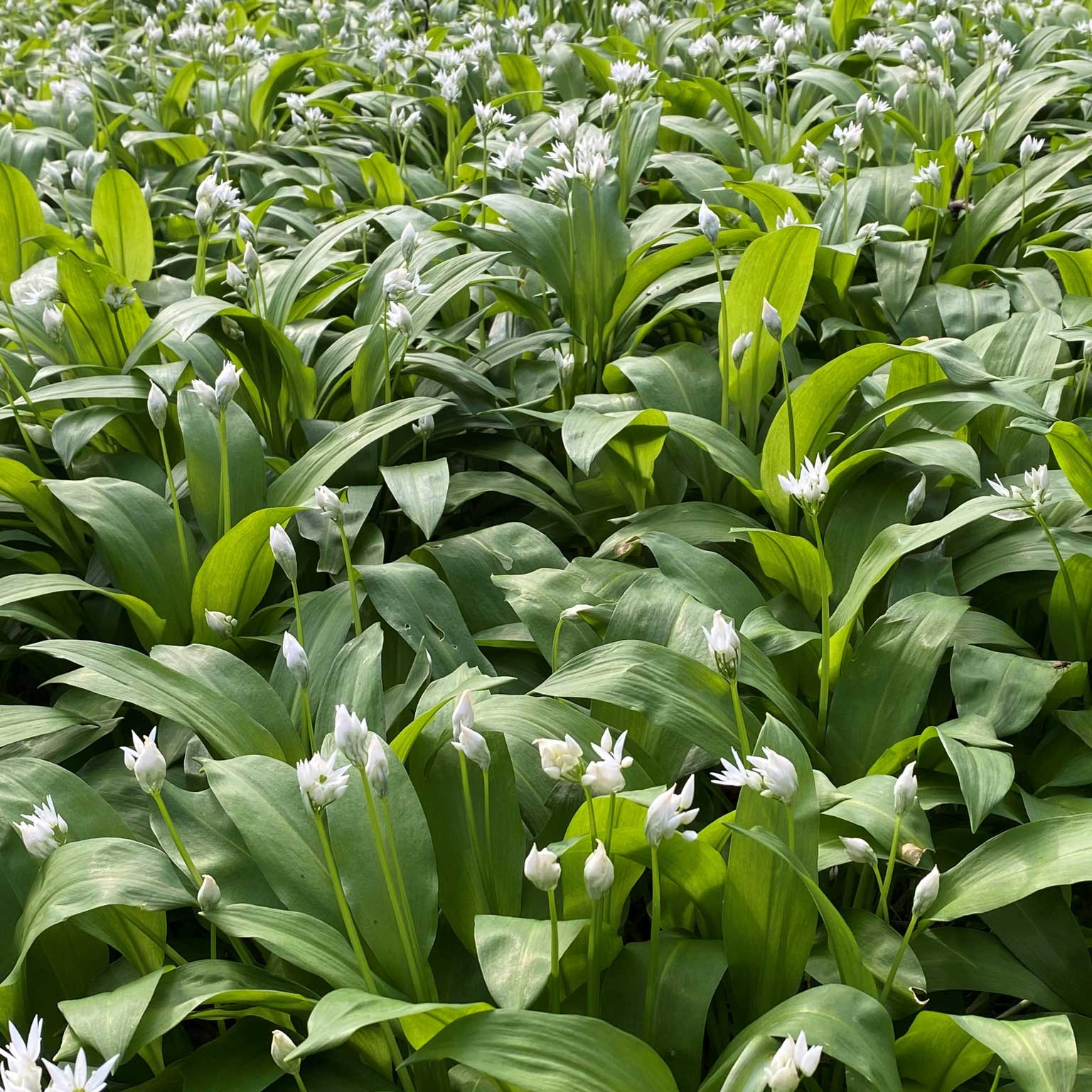
Ancient woodland indicator
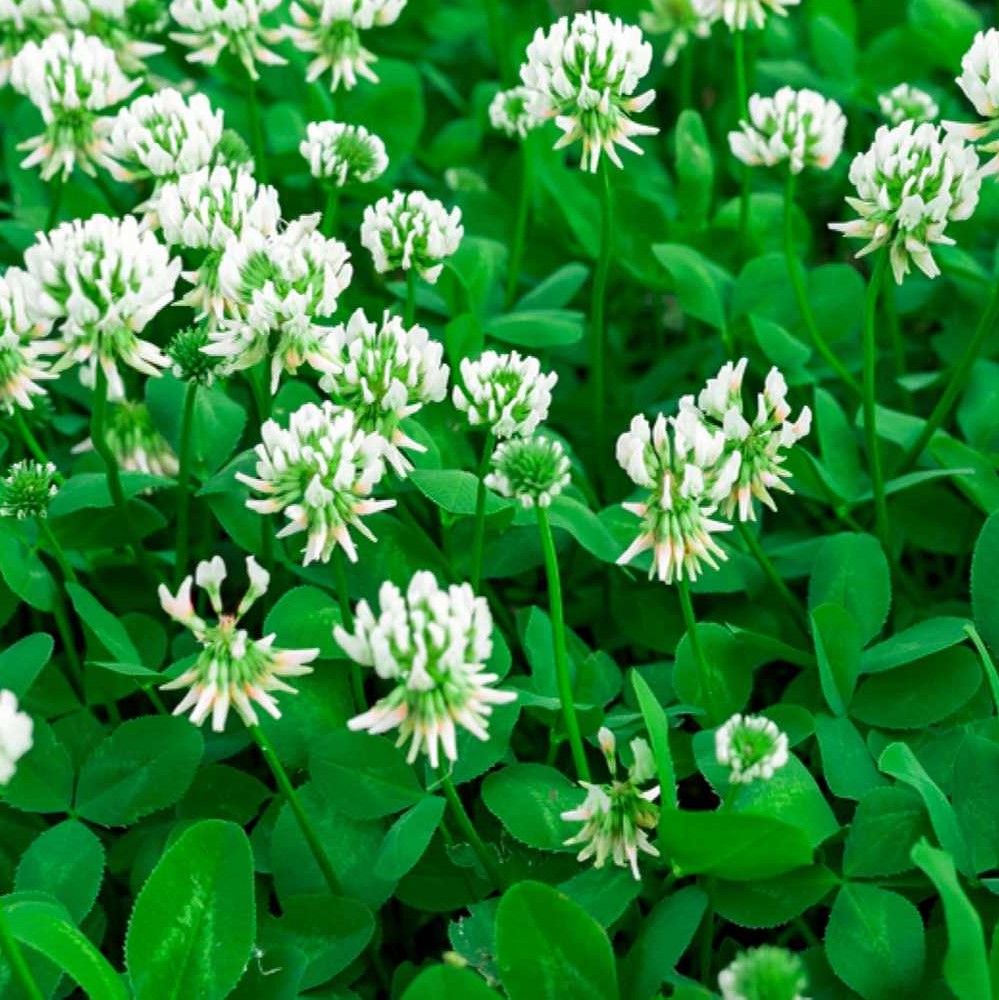
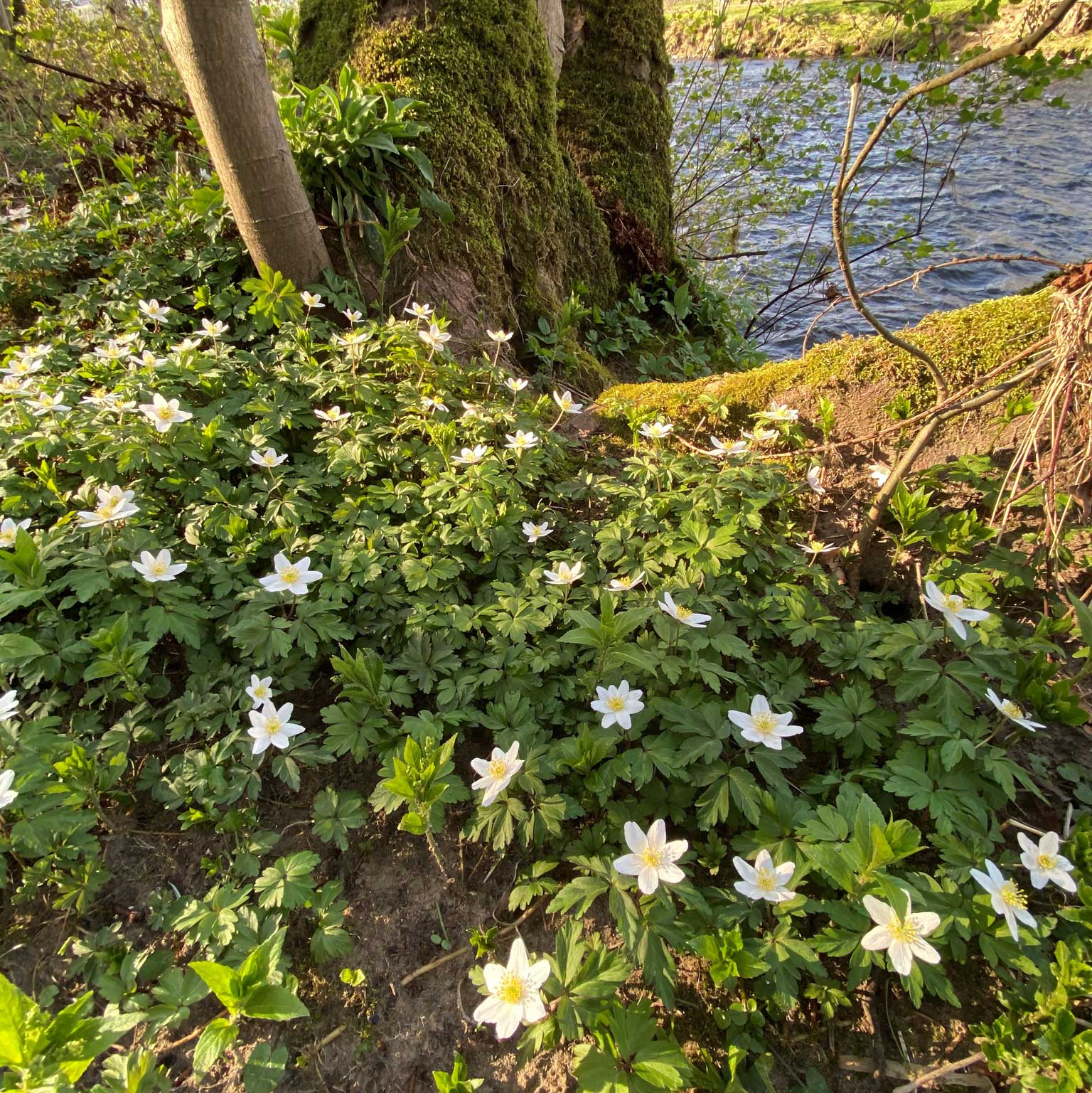
Ancient woodland indicator
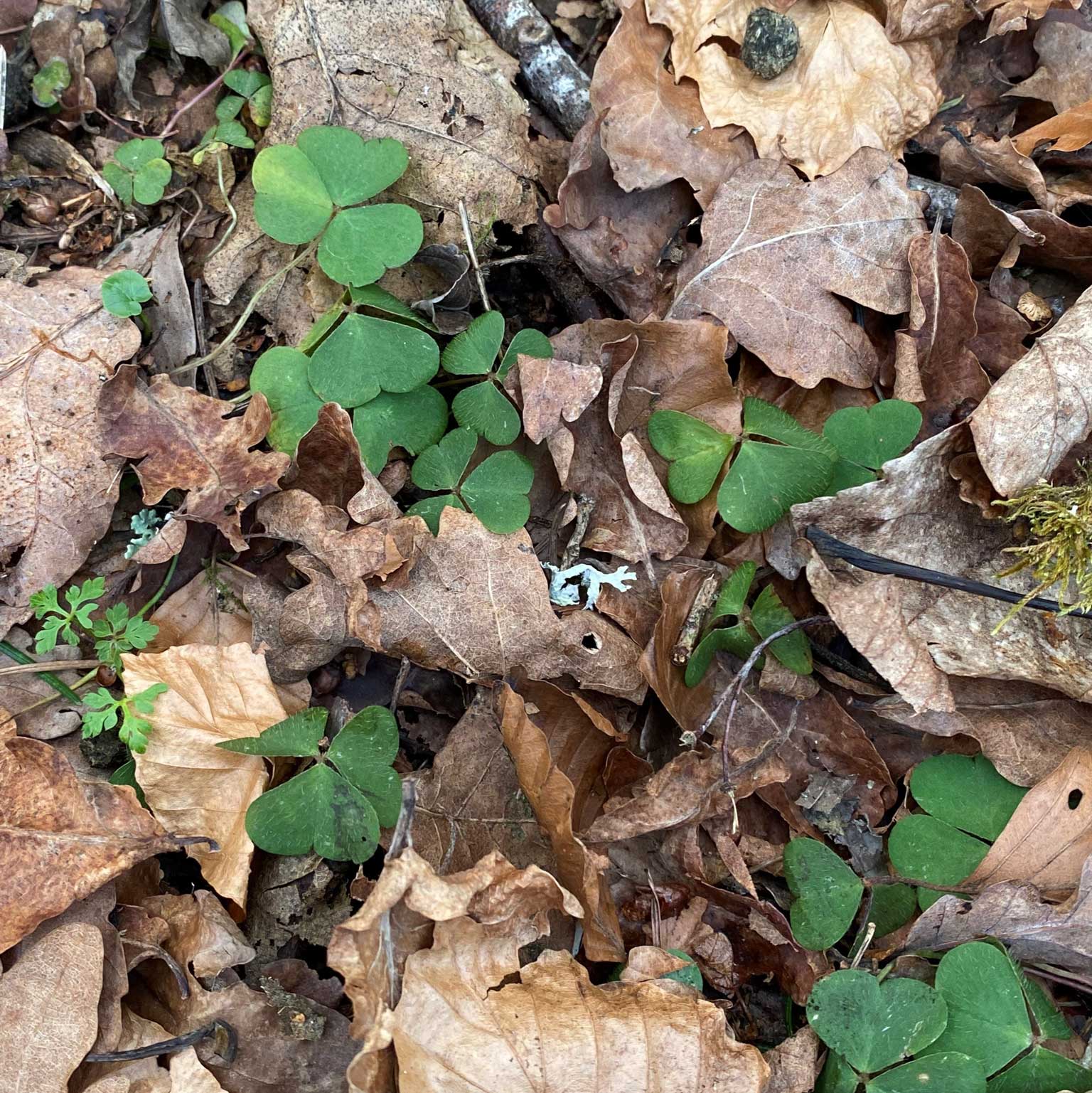
Ancient woodland indicator
Ancient woodland indicator
The ancient woodland indicator species noted above, plus: